Building in Arizona comes with a unique set of challenges. The desert sun beats down relentlessly, temperatures can swing dramatically, and windblown dust constantly tests a building’s exterior. For commercial and residential projects alike, the walls do far more than define the structure, they protect the interior environment, influence energy efficiency, and affect long-term durability.
Choosing the wrong materials can lead to faded finishes, heat infiltration, and costly repairs. This is why exterior cladding desert climate projects require careful planning. A high-quality cladding system can reflect heat, resist UV damage, and maintain its appearance over decades, while poor choices often fail quickly.
We have guided contractors, architects, and building owners since 1987, helping them select materials that meet Arizona insulation requirements and thrive under extreme conditions. In this guide, we explore how to choose the right exterior cladding, what materials excel in hot weather, and why thoughtful selection is a cornerstone of lasting, efficient, and beautiful desert buildings.
Understanding Exterior Cladding Desert Climate Needs and Why It Matters
The desert environment subject’s buildings to relentless sun, high temperatures, and occasional heavy rains. For walls to perform well, exterior cladding desert climate systems must provide more than aesthetics. They need to resist heat, manage thermal expansion, and prevent moisture penetration.
Materials that fail under these conditions can warp, crack, or fade, undermining the building envelope and increasing energy costs. Cladding that reflects heat reduces cooling loads, helping commercial owners save on electricity while creating comfortable interiors.
Beyond energy efficiency, durable cladding protects structural components from long-term damage, ensuring safety and reducing maintenance costs. Selecting the right system is about combining beauty, performance, and resilience.
Key Features to Look for In Commercial Building Materials Hot Weather
Not all materials are created equal when it comes to commercial building materials hot weather performance. Key features to consider include:
- UV resistance to prevent fading and material degradation from constant sun exposure
- Heat reflection to reduce thermal absorption and keep interiors cooler
- Thermal expansion tolerance so materials maintain integrity despite extreme temperature swings
- Weather durability to withstand wind, monsoon rains, and dust storms
- Fade resistance to maintain appearance over decades
Materials with these characteristics not only protect the building but also help maintain energy efficiency. Investing in quality cladding means fewer repairs, less repainting, and long-term value for property owners.
How Arizona Insulation Requirements Influence Exterior Cladding Choices
Every building in Arizona must meet strict energy efficiency and Arizona insulation requirements. Cladding systems play a critical role in meeting these standards because they are the first layer of defense against heat gain.
Proper insulation integration ensures that the thermal envelope is continuous, reducing reliance on HVAC systems and lowering energy bills. When choosing commercial building materials hot weather, pairing effective insulation with reflective, durable cladding maximizes performance.
Systems like EIFS or advanced metal panels provide both thermal efficiency and aesthetic flexibility, creating walls that are functional, beautiful, and compliant with state regulations.
Weather Resistant Siding Options That Stand Up to The Desert
Weather resistant siding is essential for desert climate buildings. Several materials perform exceptionally well in Arizona’s conditions:
- Synthetic stucco or EIFS offers superior insulation and UV resistance, along with flexibility to prevent cracking from thermal expansion.
- Fiber cement panels combine durability and fade resistance, with strong performance under monsoon rains and high winds.
- Metal panels reflect heat effectively, resist moisture, and provide long-term structural stability.
Selecting weather resistant siding that complements insulation systems ensures that the building envelope is cohesive, efficient, and able to withstand the harsh desert environment.
Maintenance Considerations for Long-Term Performance
Even the best cladding requires periodic maintenance to retain performance. Regular inspections can catch early signs of cracking, warping, or sealant failure. Proper cleaning routines prevent dust and debris buildup, which can degrade finishes over time.
Integrating commercial building materials hot weather with Arizona insulation requirements creates a system that reduces long-term maintenance needs. Buildings maintain their appearance longer, protect interior finishes, and continue delivering energy savings year after year.
Proactive maintenance enhances both durability and the synthetic stucco advantages of certain cladding systems.
The Role of Heat Reflection and Uv Protection in Desert Exteriors
Cladding that reflects solar radiation is crucial in reducing indoor temperatures. Heat reflection minimizes the energy transferred through walls, helping HVAC systems maintain comfortable indoor climates.
UV damage can compromise color and surface integrity over time. Choosing materials with strong UV resistance ensures walls remain visually appealing and structurally sound, even after years of intense sun exposure. These features work together with insulation to provide a complete thermal barrier, reducing energy costs and prolonging building lifespan.
Considering Thermal Expansion and Weather Durability in Material Selection
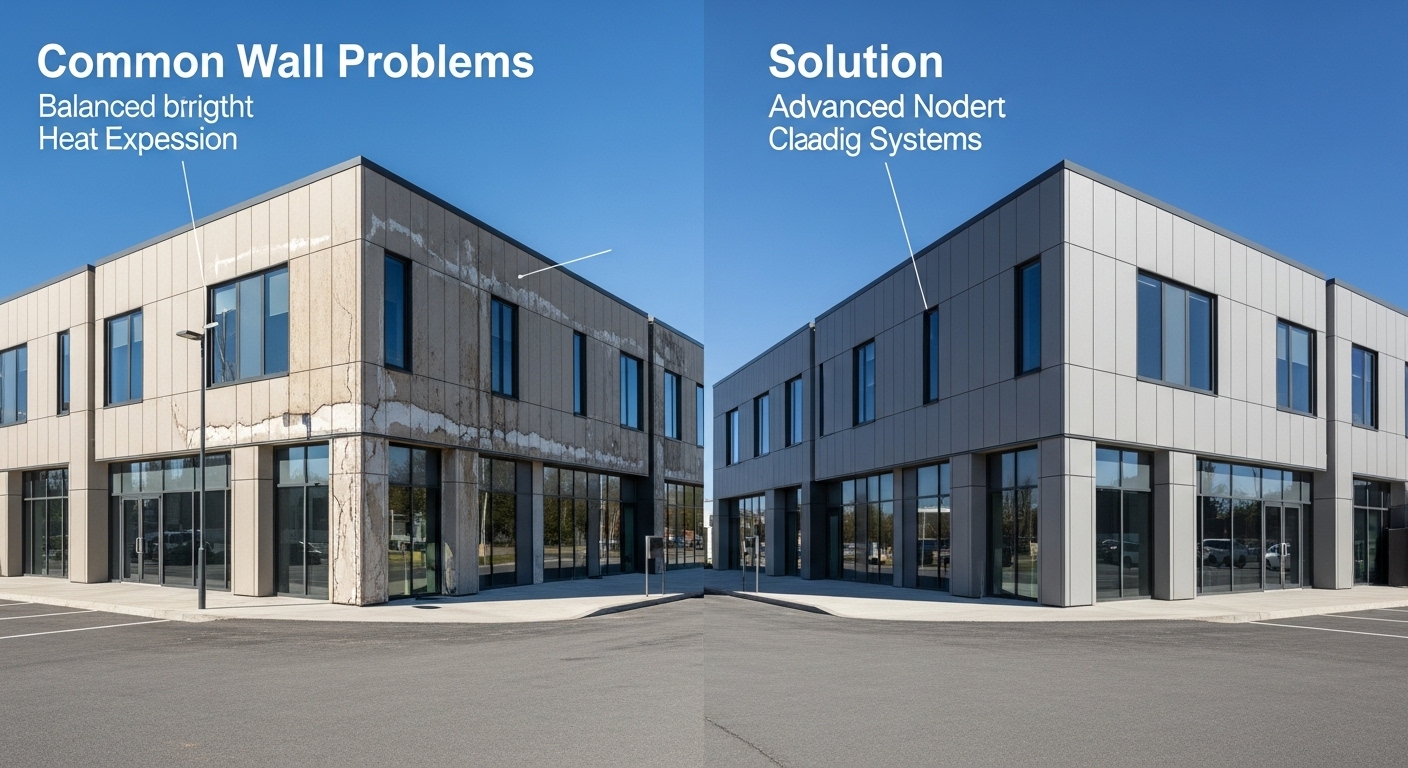
Arizona’s temperature swings create expansion and contraction in building materials. Materials that cannot accommodate thermal expansion will crack or deform, undermining insulation and exposing the structure to potential moisture infiltration.
Durable cladding resists these changes while remaining strong under wind and rain. When paired with effective insulation systems, durable walls maintain their performance, protect interiors, and preserve aesthetics. Attention to these factors is essential when choosing exterior cladding desert climate options that will last for decades.
Balancing Aesthetics and Functionality in Desert Climate Buildings
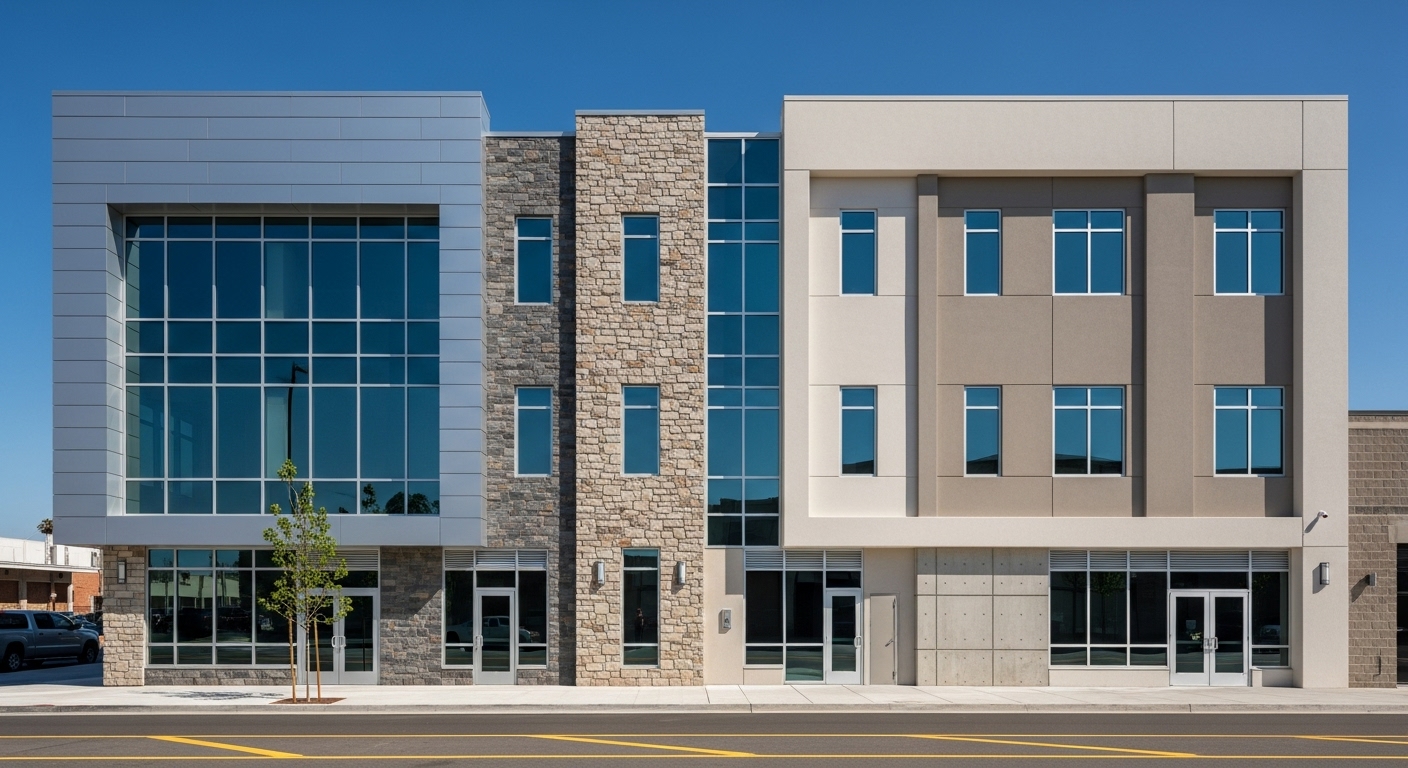
Exterior cladding is both a visual statement and a functional element. Property owners want materials that look great but also perform under extreme conditions. Commercial building materials hot weather options now offer textures, colors, and finishes that are fade resistant while supporting energy efficiency.
By choosing the right cladding, buildings not only endure the environment but also attract tenants, customers, and visitors. Functional beauty is a hallmark of thoughtful design, and it starts with materials that can withstand the desert while maintaining their visual appeal.
Final Thoughts on Choosing Exterior Cladding Desert Climate for Long-Lasting Performance
Choosing the right exterior cladding for desert climate buildings is a critical decision that impacts energy efficiency, durability, and aesthetic appeal. From UV resistance to heat reflection and weather durability, every feature matters. The best cladding works in harmony with Arizona insulation requirements, creating a cohesive wall system that reduces energy costs and protects interiors over decades.
At Architectural Products, we have guided Arizona contractors, architects, and property owners since 1987, helping them select weather resistant siding that thrives under the harsh desert sun. By prioritizing quality materials, proper insulation, and thoughtful maintenance, your building can look great and perform efficiently for years to come.
Contact our team today to request mockup samples and see firsthand how the right exterior cladding transforms your project into a lasting success.