In Arizona, the walls of a commercial building do far more than define its shape. They quietly determine how hard the air conditioning works, how comfortable the interior feels, and how much money leaks out every month through energy bills. When the sun beats down for most of the year, insulation is not a luxury. It is a necessity.
Many property owners focus on roofs and HVAC systems while overlooking the role walls play in managing heat. Yet walls make up the largest surface area of a building envelope. If they are under insulated or poorly designed, no mechanical system can fully compensate.
We have spent nearly forty years helping Arizona builders understand this reality. Since 1987, we have seen how smart insulation decisions transform buildings from energy drains into efficient, comfortable spaces. This guide explores why commercial wall insulation Arizona is one of the most important investments a commercial property owner can make.
Understanding Commercial Wall Insulation Arizona and Why It Is Different from Other Regions
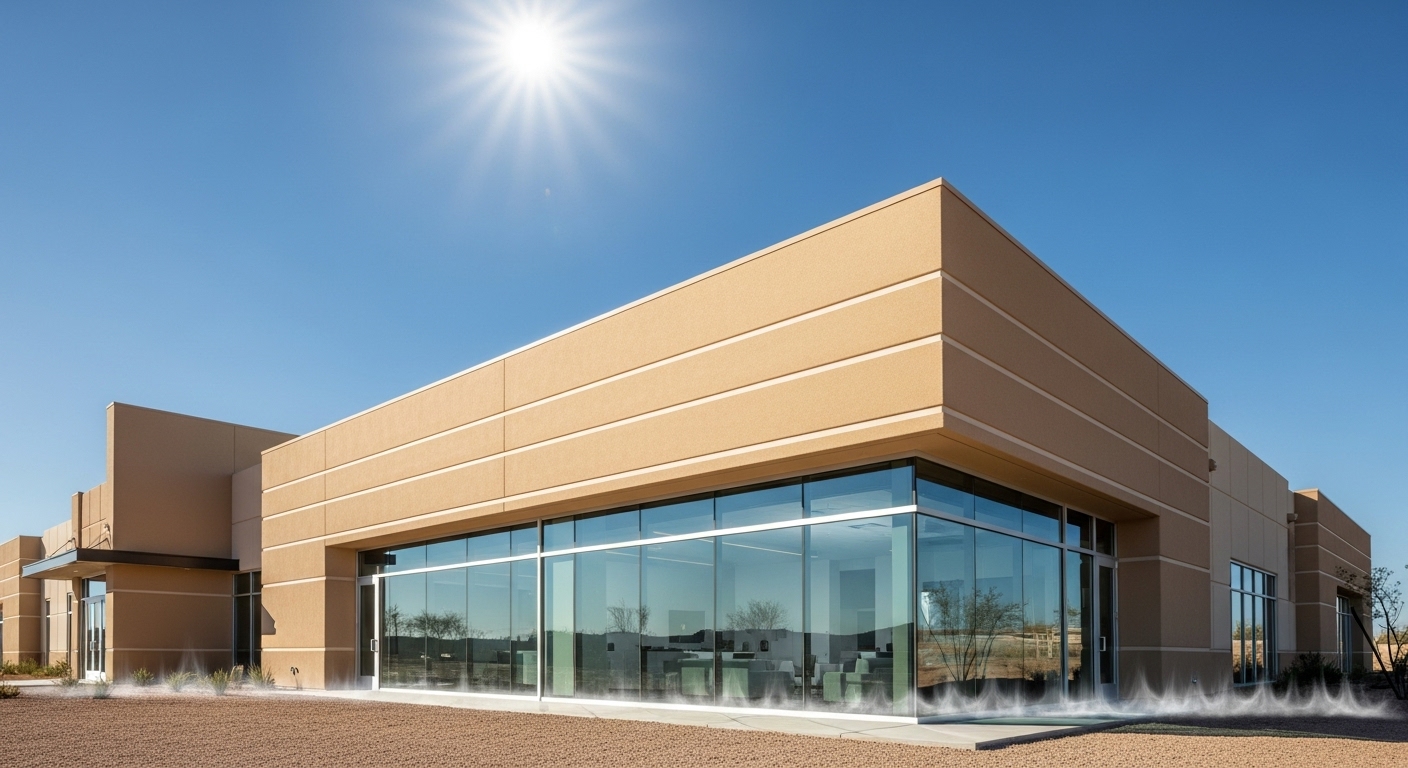
Insulating a commercial building in Arizona is nothing like insulating one in a mild or cold climate. The desert brings relentless heat, intense sun exposure, and dramatic temperature swings between day and night. Commercial wall insulation Arizona must be designed specifically for these conditions to perform effectively.
In hot climates, insulation is not just about keeping heat inside during winter. It is about slowing heat transfer from the exterior into the conditioned interior space. When walls are poorly insulated, heat moves freely through them, forcing cooling systems to run longer and harder. This drives up energy consumption and shortens equipment lifespan.
Proper insulation acts as a buffer. It resists external heat, stabilizes indoor temperatures, and reduces peak cooling demand. In Arizona, this performance difference is not subtle. It is measurable in monthly utility bills and long term operating costs.
Why Building Insulation Phoenix Projects Must Account for Extreme Heat Exposure
In urban areas like Phoenix, buildings face added challenges beyond temperature alone. Dense development increases radiant heat, while large wall expanses absorb solar energy all day long. That is why building insulation Phoenix projects require thoughtful design rather than generic solutions.
Commercial structures often include wide exterior walls with minimal shading. Without effective insulation, those walls become heat collectors. Interior spaces warm unevenly, comfort suffers, and HVAC systems struggle to maintain climate control.
High performing insulation helps regulate indoor conditions regardless of wall orientation or sun exposure. It reduces temperature fluctuations and creates a more consistent environment for tenants, employees, and customers. For business owners, that consistency translates into productivity, satisfaction, and predictable energy expenses.
Desert Climate Insulation and The Hidden Role of Heat Transfer in Energy Loss
Desert climate insulation must fight a constant battle against heat. Every day, thermal energy presses against the building exterior, searching for a path inside. Walls with gaps, compressed insulation, or exposed framing provide easy entry points.
This process is driven by heat transfer, which occurs through conduction, convection, and radiation. In commercial buildings, conduction through wall assemblies is often the biggest culprit. When insulation is interrupted, heat bypasses it entirely.
The result is increased energy consumption and uneven indoor temperatures. Occupants feel hot spots near exterior walls, while cooling systems work overtime. Proper wall insulation addresses these issues by creating a continuous thermal barrier that resists heat movement at every point.
How Thermal Bridging Undermines Commercial Wall Performance
One of the most overlooked threats to insulation performance is thermal bridging. This occurs when structural elements like steel or wood framing pass through insulation layers, creating pathways for heat to move freely.
In many traditional wall assemblies, insulation sits between studs, leaving the studs themselves uninsulated. Heat travels through these materials far more easily than through insulation, reducing overall wall effectiveness.
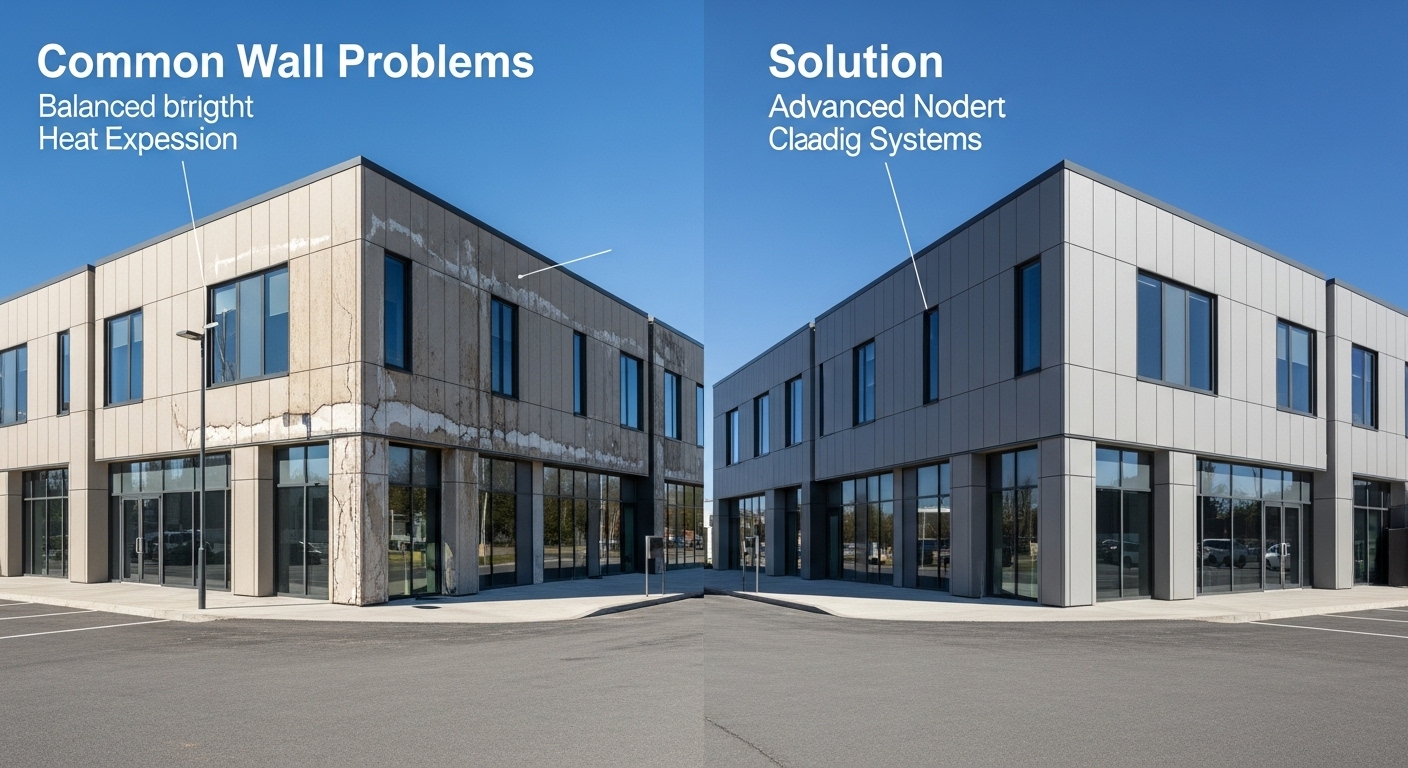
Addressing thermal bridging is critical for Arizona commercial buildings. Continuous exterior insulation systems help eliminate these weak points, improving overall climate control and reducing cooling demand. When walls perform as intended, the entire building benefits.
Why Eifs Insulation Benefits Stand Out for Arizona Commercial Properties
Among modern exterior solutions, EIFS insulation benefits offer a compelling advantage for desert environments. EIFS systems incorporate continuous insulation on the exterior of the building, wrapping it in a consistent thermal layer.
This design minimizes thermal bridging, improves moisture management, and enhances overall energy performance. For Arizona properties, EIFS helps shield structural components from extreme heat, reducing temperature stress and improving durability.
EIFS systems also support design flexibility while maintaining insulation continuity. That combination makes them especially attractive for offices, retail centers, healthcare facilities, and educational buildings seeking long term efficiency without sacrificing appearance.
Designing Wall Systems for Desert Climate Exteriors That Perform Long Term
Commercial buildings in Arizona must be built to endure decades of exposure. Desert climate exteriors demand materials and assemblies that resist heat, UV exposure, and expansion stress.
Wall insulation plays a central role in that durability. Properly designed systems protect interior finishes, reduce structural movement, and help maintain consistent interior conditions. Over time, this reduces maintenance needs and preserves building value.
A well-insulated wall assembly is not just about comfort. It is about longevity. When walls manage heat effectively, every other system inside the building operates more efficiently and lasts longer.
How Proper Wall Insulation Reduces Energy Consumption and Operating Costs
Energy efficiency is not an abstract concept for commercial property owners. It shows up in monthly statements and annual budgets. When insulation reduces energy consumption, it directly improves cash flow.
Lower cooling loads mean HVAC systems cycle less frequently. Maintenance costs drop. Equipment replacement timelines extend. For large buildings, even small efficiency gains can result in substantial savings.
In Arizona, where cooling dominates energy use, wall insulation is one of the most impactful upgrades available. It works quietly, consistently, and year round without requiring user interaction or ongoing adjustments.
The Importance of Climate Control for Tenant Comfort and Business Success
Comfort matters. Employees work better when indoor temperatures remain stable. Customers stay longer when spaces feel balanced and welcoming. Proper wall insulation supports reliable climate control, creating environments where businesses thrive.
When insulation is inadequate, interior temperatures fluctuate throughout the day. HVAC systems struggle to keep up, and occupants notice. Complaints rise, productivity drops, and tenant satisfaction suffers.
Effective wall insulation solves these issues at their source. It supports consistent indoor conditions, reduces noise infiltration, and enhances overall building performance.
Final Thoughts on Commercial Wall Insulation Arizona and Long-Term Building Performance
In Arizona, commercial buildings face some of the harshest conditions in the country. Heat is relentless, energy costs are rising, and performance expectations continue to increase. Proper wall insulation is no longer optional. It is foundational to long term success.
For nearly four decades, we helped contractors, architects, and property owners make smart exterior decisions rooted in experience and integrity. From Phoenix to Dewey, we understand how insulation choices shape building performance for years to come.
If you are planning a new project or evaluating an existing property, now is the time to look closely at your wall systems. The right solution can transform comfort, efficiency, and operating costs. Reach out to our team today to schedule product demo and discover how smarter insulation can elevate your commercial property from the outside in.