Energy costs are no longer a small line item for commercial building owners. They are one of the biggest ongoing expenses and one of the hardest to control once a building is complete. In Arizona, where cooling systems run hard for most of the year, the exterior of a building quietly determines whether energy dollars are being protected or wasted.
Walls matter more than many people realize.
That is where EIFS enters the conversation. Exterior systems are no longer just about appearance. They shape comfort, efficiency, and long term operating costs. We have watched commercial construction evolve over nearly four decades.
Since 1987, we have helped contractors and developers across Arizona understand how smarter exterior choices create better buildings. This guide explores how EIFS works, why it outperforms traditional assemblies, and how EIFS systems energy efficiency plays a direct role in lowering utility bills for commercial properties.
Understanding Eifs Systems Energy Efficiency And Why It Matters for Commercial Buildings
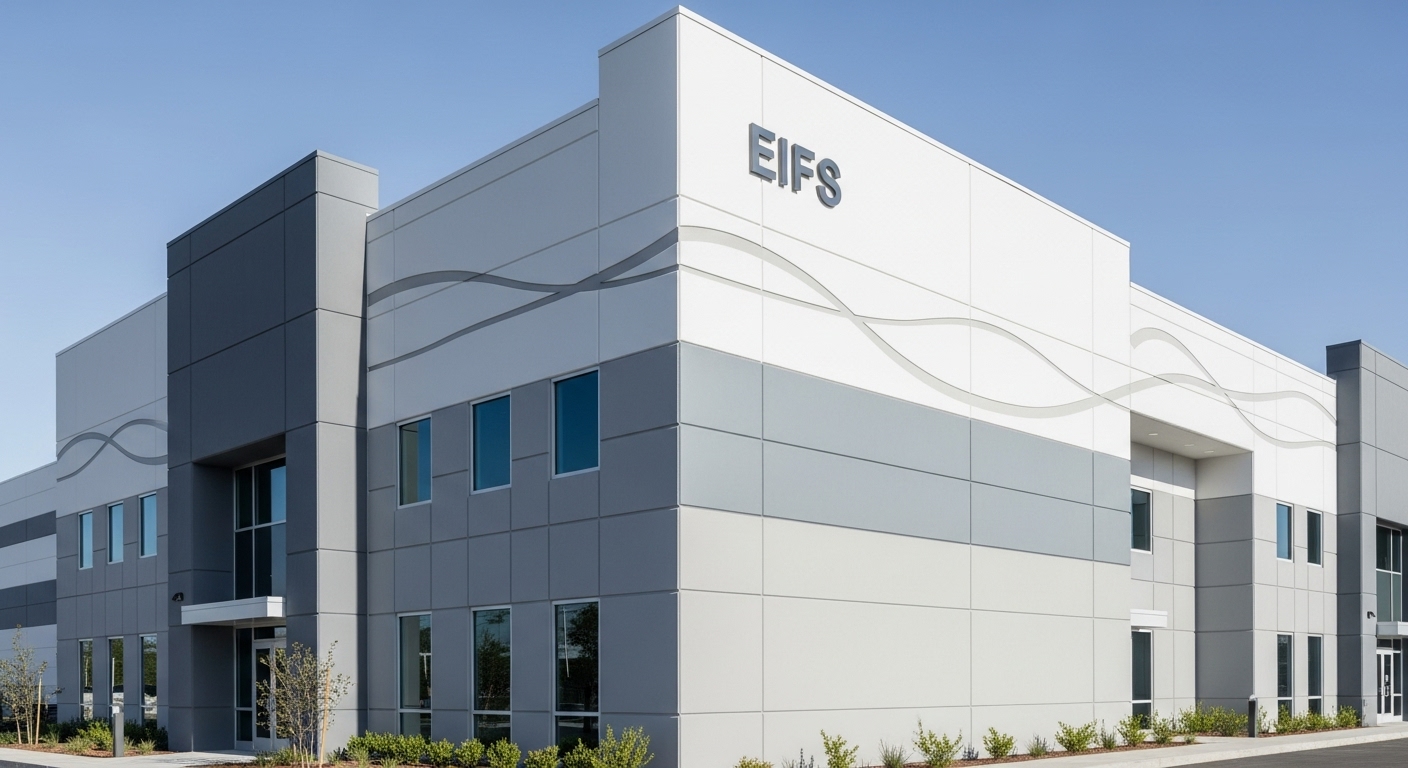
When people hear EIFS, they often think of finish texture or modern design. What many miss is that EIFS systems energy efficiency begins beneath the surface. EIFS is a layered system designed to work as a complete exterior solution rather than a collection of parts.
At its core, EIFS includes continuous insulation that wraps the building exterior without interruption. This uninterrupted insulation layer dramatically improves thermal performance by reducing thermal bridging, which is one of the biggest sources of energy loss in commercial structures.
Traditional wall assemblies often include gaps where framing elements allow heat to pass through. EIFS minimizes those weak points, helping maintain consistent interior temperatures. When HVAC systems are not fighting heat gain all day, energy usage drops. Over time, those savings add up in a very real way for building owners.
How Exterior Insulation Finish Systems Strengthen the Building Envelope
A commercial building is only as efficient as its building envelope. The envelope is the barrier between conditioned interior space and the harsh exterior environment. EIFS excels here because it integrates insulation, air resistance, and finish into one cohesive system.
Exterior insulation finish systems create a thermal blanket around the structure. This approach stabilizes indoor temperatures and reduces the strain on mechanical systems. It also improves occupant comfort, which is often overlooked but deeply felt by tenants and employees.
Another major benefit is the integrated moisture barrier. When properly designed and installed, EIFS manages water effectively, reducing the risk of infiltration that can compromise insulation and lead to long term damage. A dry wall system performs better, lasts longer, and protects energy performance year after year.
Continuous Insulation and R Value Advantages That Lower Monthly Energy Bills
One of the most measurable benefits of EIFS is its superior R value performance. Because EIFS insulation is continuous, it delivers consistent resistance to heat flow across the entire wall surface.
Higher R value means less heat entering the building during Arizona summers and less cooled air escaping. This efficiency directly impacts utility costs. For commercial property owners managing large square footage, even modest improvements in insulation performance can translate into significant financial savings.
Continuous insulation also helps meet increasingly strict energy codes without requiring thicker walls or complicated interior assemblies. This makes EIFS an attractive option for new construction as well as renovations where space efficiency matters.
Why Eifs Outperforms Traditional Wall Systems in Thermal Performance
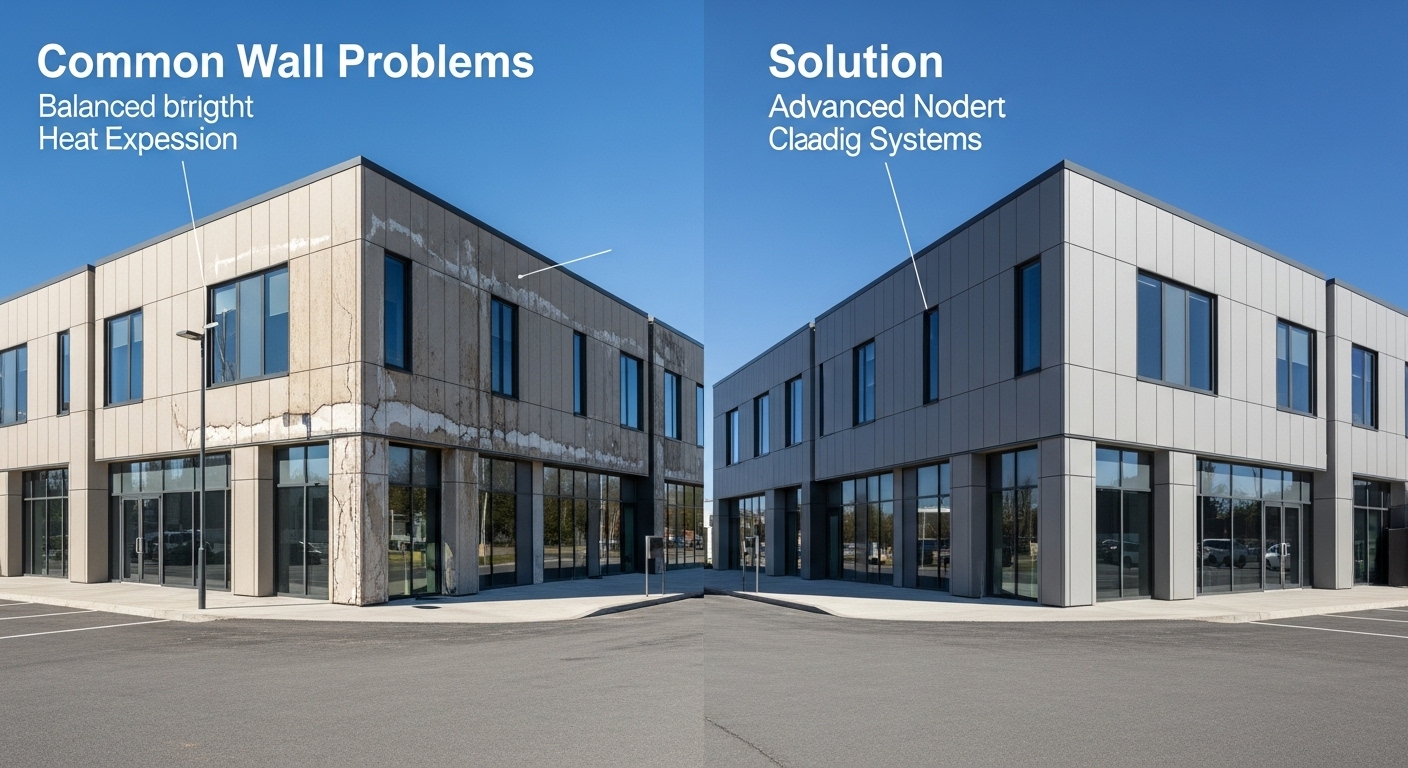
Traditional wall systems rely heavily on cavity insulation placed between framing members. While this method has been used for decades, it creates unavoidable gaps in insulation coverage. Those gaps become highways for heat transfer.
EIFS changes that dynamic. By placing insulation on the exterior, it protects the structural elements from extreme temperature swings. This stabilization improves thermal performance and reduces expansion and contraction stresses on the building.
Over time, these benefits contribute to durability as well as efficiency. Commercial owners see fewer comfort complaints, more predictable energy costs, and a building that performs closer to its design intent.
Eifs As One of the Most Effective Commercial Insulation Solutions Available Today
In the world of commercial insulation solutions, EIFS stands out for its balance of performance and flexibility. It can be adapted to a wide range of building types including offices, retail centers, healthcare facilities, and educational campuses.
Architects appreciate EIFS for its design freedom. Contractors value its efficiency during installation. Building owners benefit from reduced operational costs. That combination is why EIFS continues to gain traction across Arizona commercial construction.
EIFS also integrates well with other modern systems, making it a strong option for projects focused on sustainability, lifecycle value, and long term energy performance.
Comparing Eifs to Synthetic Stucco Alternatives for Commercial Projects
EIFS is often grouped with other synthetic stucco alternatives, but not all systems deliver the same level of performance. What sets EIFS apart is its fully engineered approach.
While some exterior finishes focus mainly on appearance, EIFS prioritizes insulation continuity and moisture control. The result is a system that does more than look good. It actively contributes to lower energy consumption and improved building performance.
For commercial projects where efficiency goals are tied to operational budgets, this distinction matters. EIFS is not just a finish. It is an energy strategy built into the walls.
Long Term Energy Savings and Lifecycle Value for Building Owners
Energy efficiency is not just about immediate savings. It is about long term value. EIFS helps protect insulation performance over time by shielding structural components from extreme weather exposure.
This durability means the system continues delivering energy benefits year after year with minimal degradation. Maintenance costs remain predictable, and energy savings remain consistent.
For property owners thinking beyond the first lease cycle, EIFS offers peace of mind. It supports stable operating expenses and helps future proof the building against rising energy costs.
Why Eifs Systems Energy Efficiency Is a Smart Long-Term Choice for Commercial Buildings
Commercial buildings are long term investments, and the exterior system plays a larger role in that investment than many realize. EIFS offers more than visual appeal. It delivers real, measurable energy savings through superior insulation continuity, moisture control, and thermal stability.
At Architectural Products, we have helped shape Arizona’s commercial exterior landscape for nearly four decades. From Phoenix to Dewey, contractors and developers rely on our experience to guide smart material choices that stand the test of time.
If you are exploring ways to reduce energy costs, improve performance, and create a more efficient building, EIFS deserves serious consideration. Our team is here to help you evaluate options, understand performance goals, and move forward with confidence. Reach out today for expert design consultation and discover how the right exterior system can transform your commercial project from the outside in.