Water has a quiet way of causing very loud problems. In commercial construction, a small leak can turn into structural damage, safety risks, costly repairs, and frustrated building owners before anyone realizes what went wrong.
That’s why waterproofing is not just a box to check during construction. It is a long-term investment in the performance, durability, and reputation of a building.
Whether you’re a contractor managing timelines, an architect balancing design and function, or a property owner thinking about long-term value, waterproofing decisions matter more than most people expect.
Here’s the thing. commercial waterproofing best practices are not about using the most expensive materials or following trends. They’re about making informed choices early, understanding how systems work together, and respecting the environment the building will live in.
When waterproofing is planned thoughtfully, it protects the structure, the people inside it, and the budget tied to it. This guide breaks down what actually works in the real world, based on experience, not theory.
Why Waterproofing Deserves a Front-Row Seat in Commercial Construction Planning for Long-Term Moisture Protection
Waterproofing is often treated as a background task, something handled quickly so crews can move on. That mindset creates problems. In commercial buildings, water exposure is constant. Rain, irrigation, humidity, and ground moisture all test the building every day.
When waterproofing is done right, it quietly does its job. When it’s done poorly, it becomes everyone’s problem.
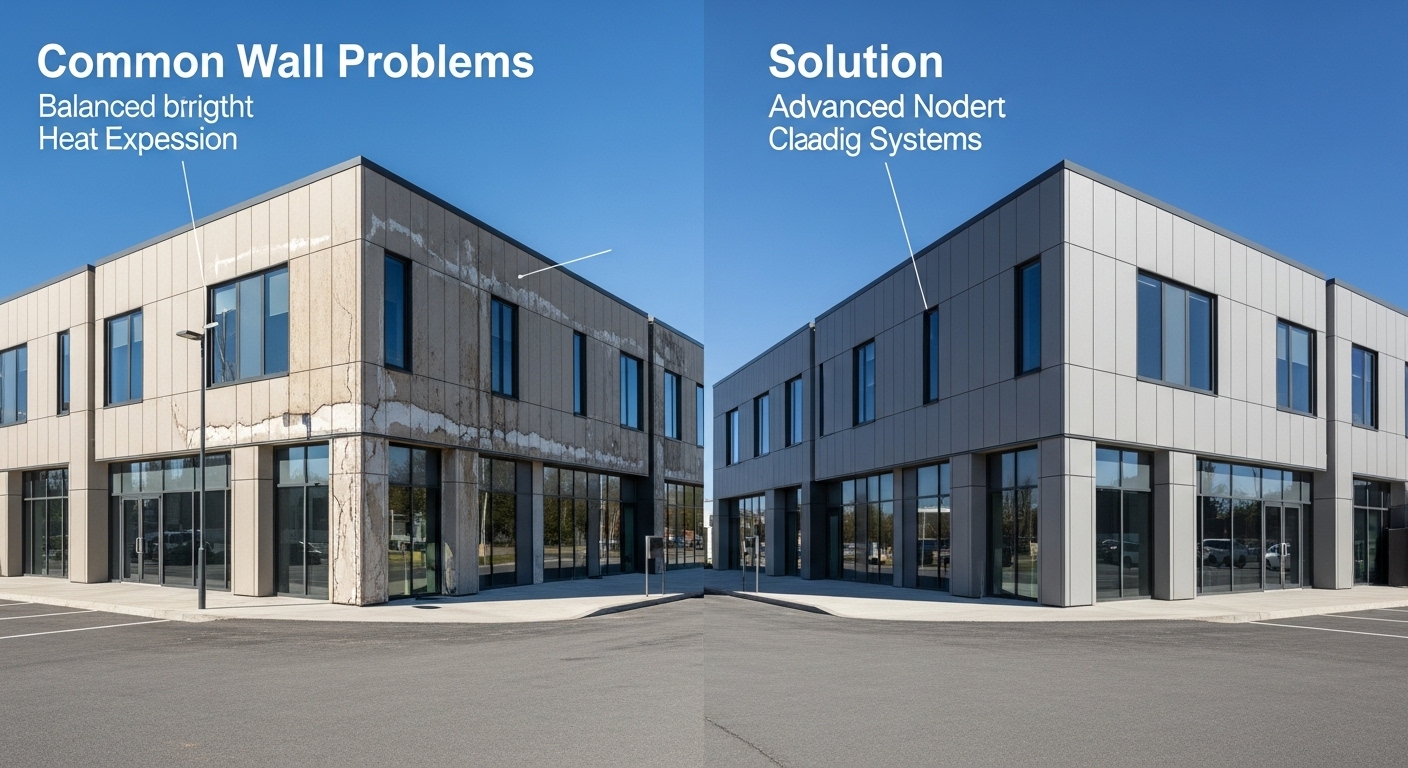
Effective waterproofing is about preventing water damage before it starts. That means protecting structural elements, interior finishes, and even indoor air quality. Moisture intrusion can lead to corrosion, mold growth, and material breakdown.
Over time, those issues increase maintenance costs and shorten the building’s lifespan. Planning waterproofing early allows teams to coordinate details, avoid conflicts between systems, and build with confidence instead of reacting to failures later.
Choosing The Right Building Waterproofing Systems for Long-Term Performance
Not all buildings face the same challenges, which is why selecting appropriate building waterproofing systems is critical. A retail center, a hospital, and a multi-story office building each experience water exposure differently. Climate, soil conditions, building height, and usage all influence system selection.
This is where experience matters. Waterproofing should never be approached as a one-size-fits-all solution. Materials must be compatible with the structure and surrounding assemblies. A system that performs well on paper can fail if it’s not suited to the project’s realities.
Understanding how water moves through and around a building helps teams choose solutions that protect vulnerable areas without overcomplicating the design.
Coordinating Waterproofing with Structural and Design Elements for Seamless Performance
Waterproofing does not exist in isolation. It intersects with structural components, exterior finishes, and architectural details. Coordination between trades is essential. When waterproofing is installed without considering penetrations, transitions, or movement joints, gaps form. Those gaps are where failures begin.
Early collaboration helps ensure that waterproofing layers align with structural tolerances and design intent.
This is especially important in commercial projects where multiple systems overlap. When everyone understands how the waterproofing strategy supports the building as a whole, installation becomes smoother and performance becomes more reliable.
Understanding Below-Ground Protection Without Overlooking Foundation and Subsurface Waterproofing
Below-ground areas are often out of sight, which makes them easy to underestimate. Yet these spaces are constantly exposed to soil moisture and hydrostatic pressure. Below-grade waterproofing plays a crucial role in protecting foundations, basements, and parking structures from long-term moisture intrusion.
Proper preparation is key. Surfaces must be clean, smooth, and ready to receive waterproofing materials. Drainage considerations also matter. Water should be directed away from the structure whenever possible.
When below-ground protection is done correctly, it supports structural integrity and reduces the risk of future remediation that can disrupt operations and budgets.
Applying Waterproofing Materials Correctly Using Reliable Protective Layers
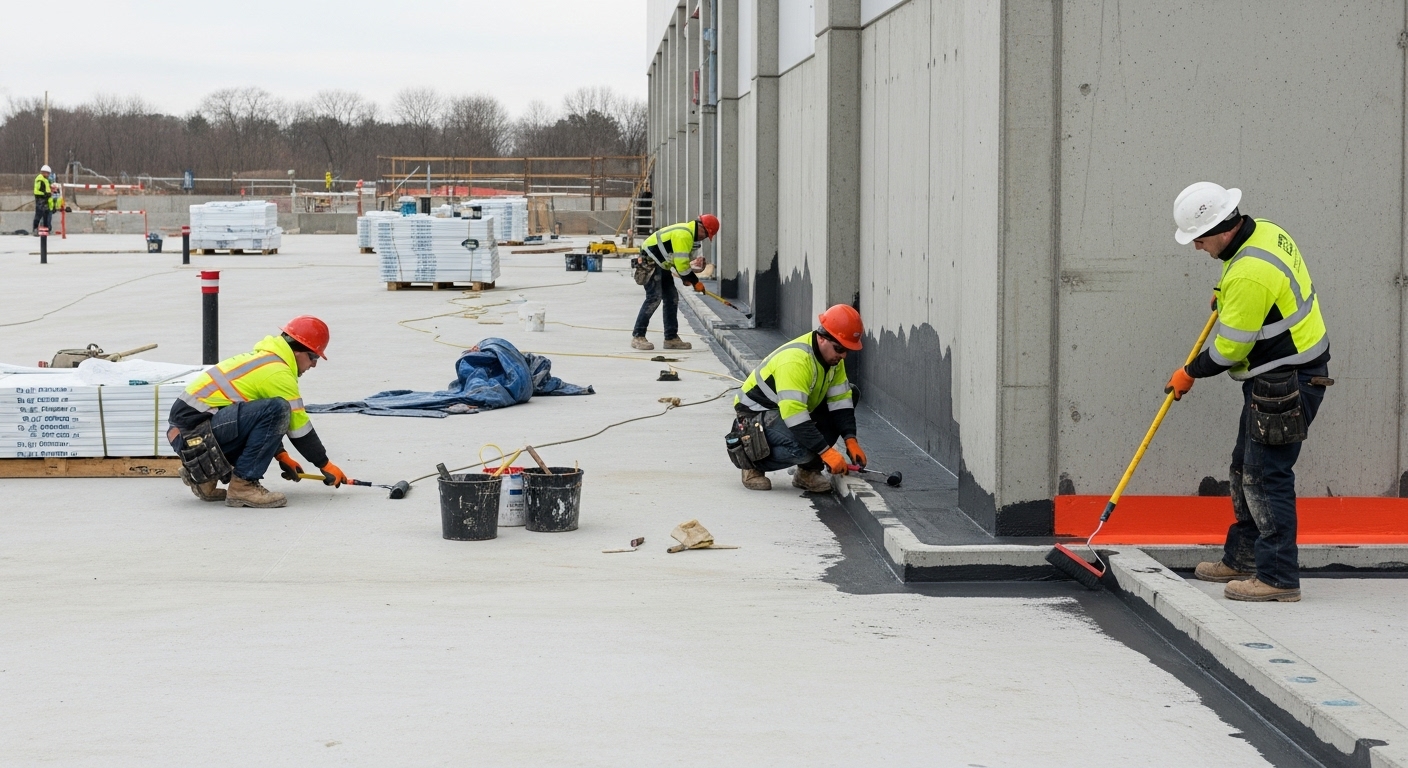
Even the best materials can fail if they are installed incorrectly. Membrane systems are widely used in commercial construction because they provide continuous protection across large surfaces. Their effectiveness depends on proper application, curing time, and attention to seams and transitions.
Training and oversight make a difference here. Crews must understand manufacturer guidelines and environmental conditions during installation.
Temperature, humidity, and surface preparation all influence performance. Taking the time to get these details right helps ensure the membrane performs as intended for years, not just months.
Paying Attention to The Critical Details That Ensure a Watertight Finish
Water almost always finds its way in through small openings. Joints, penetrations, and transitions are common failure points if they are not sealed properly. Sealant application is one of the most detail-oriented aspects of waterproofing, and it deserves careful attention.
Choosing the correct sealant for the movement, exposure, and materials involved is essential.
Equally important is proper surface preparation and application technique. When sealants are applied thoughtfully, they accommodate movement and maintain a watertight seal even as the building settles and expands over time.
Managing Water Flow Effectively Through Strategic Site Drainage and Flow Control
Waterproofing is not just about blocking water. It’s also about controlling where it goes. Drainage management ensures that water is directed away from the building instead of being trapped against it. Poor drainage can overwhelm even the best waterproofing systems.
Designing effective drainage paths involves grading, placement of drains, and coordination with landscaping and hardscapes.
When water is given a clear path away from the structure, pressure on waterproofing layers is reduced. This simple concept often makes the difference between a system that lasts and one that struggles.
Keeping Systems Working Through Consistent Barrier Upkeep and Preventive Maintenance
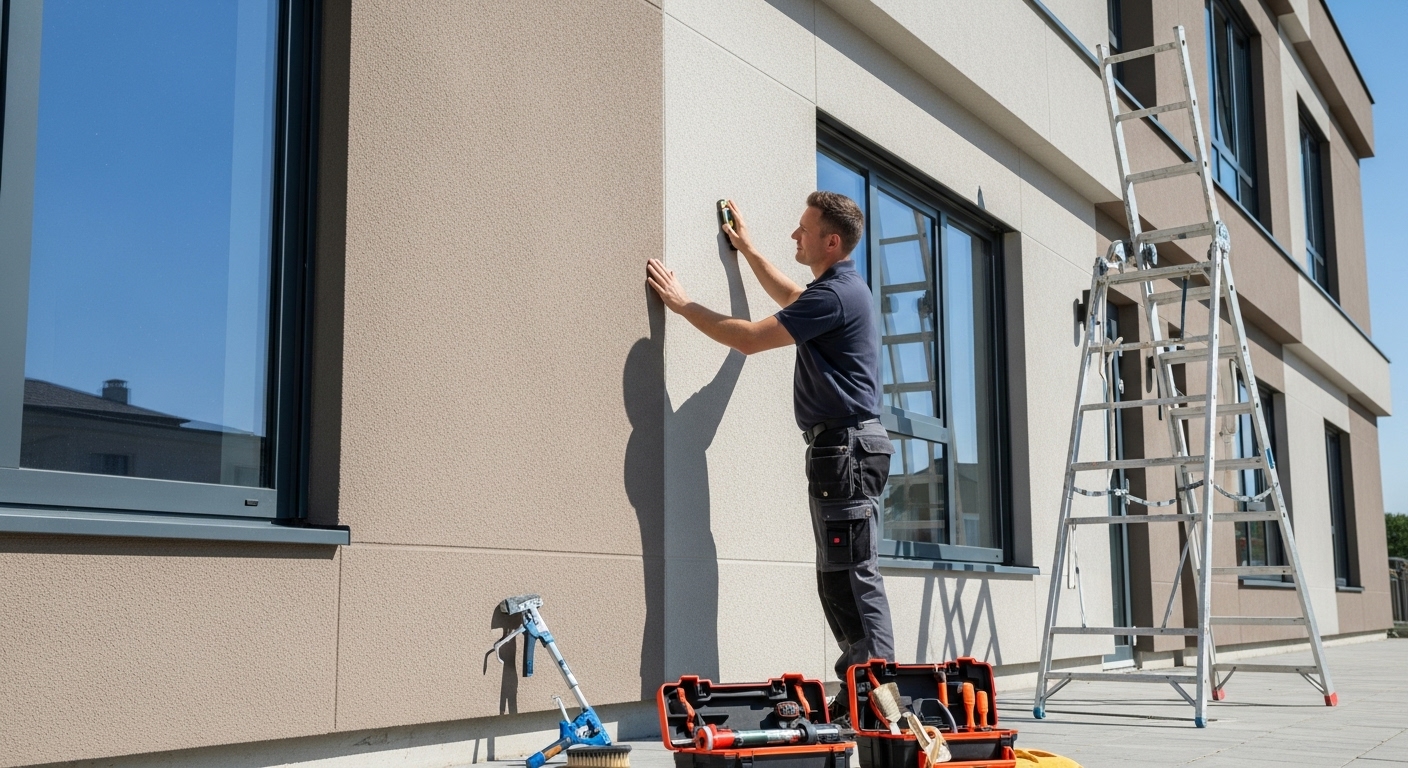
Waterproofing does not end when construction wraps up. Ongoing moisture barrier maintenance is essential to long-term performance. Weather, building movement, and everyday wear can compromise barriers over time. Regular inspections help identify small issues before they escalate.
Maintenance plans should be practical and proactive. Facility teams benefit from understanding where waterproofing systems are located and what signs of trouble look like. When maintenance is treated as part of the building’s lifecycle, waterproofing continues to protect instead of becoming a forgotten layer.
Building Knowledge and Accountability Through Training and On-Site Support
The strongest waterproofing strategy combines quality materials with informed people. Education creates consistency. When contractors and installers understand why details matter, execution improves. Hands-on guidance and access to training sessions empower teams to apply systems correctly and confidently.
This knowledge translates into fewer callbacks, smoother inspections, and stronger relationships across the project team. Training is not about slowing down the process. It’s about reducing mistakes and building trust in the final result.
Where Smart Waterproofing Decisions Protect Buildings, Budgets, And Reputations
Waterproofing is one of those disciplines where success is measured by what never happens. No leaks, no callbacks, no unexpected repairs. That level of performance comes from experience, planning, and respect for the process. When teams commit to commercial waterproofing best practices, they protect more than just a building. They protect timelines, budgets, and reputations.
For nearly four decades, Seneca Architectural Products has supported contractors, architects, and building owners across Arizona with the expertise and resources needed to get waterproofing right the first time.
From system selection to hands-on guidance and ongoing product training sessions, their approach reflects a deep understanding of what works in the field. When waterproofing is treated as a craft instead of an afterthought, everyone benefits long after construction is complete.