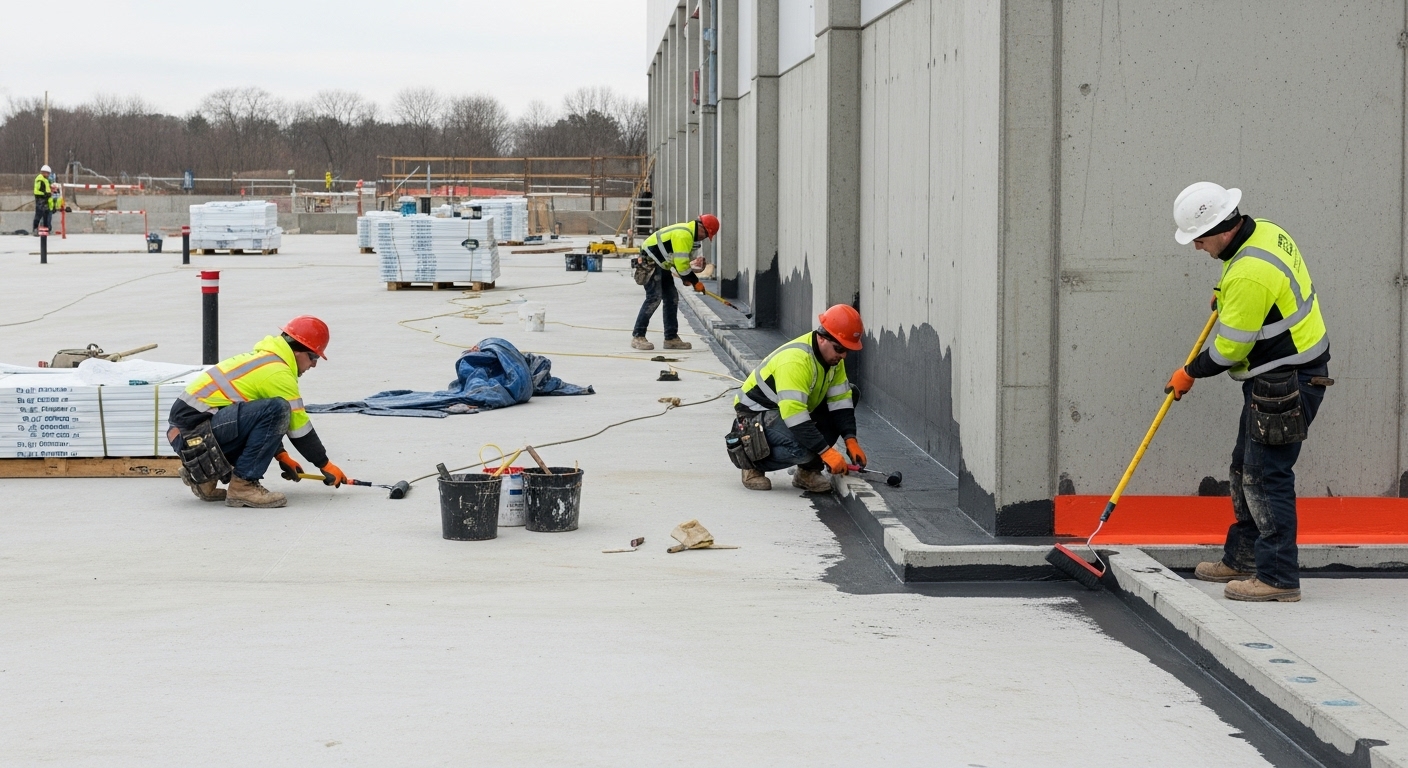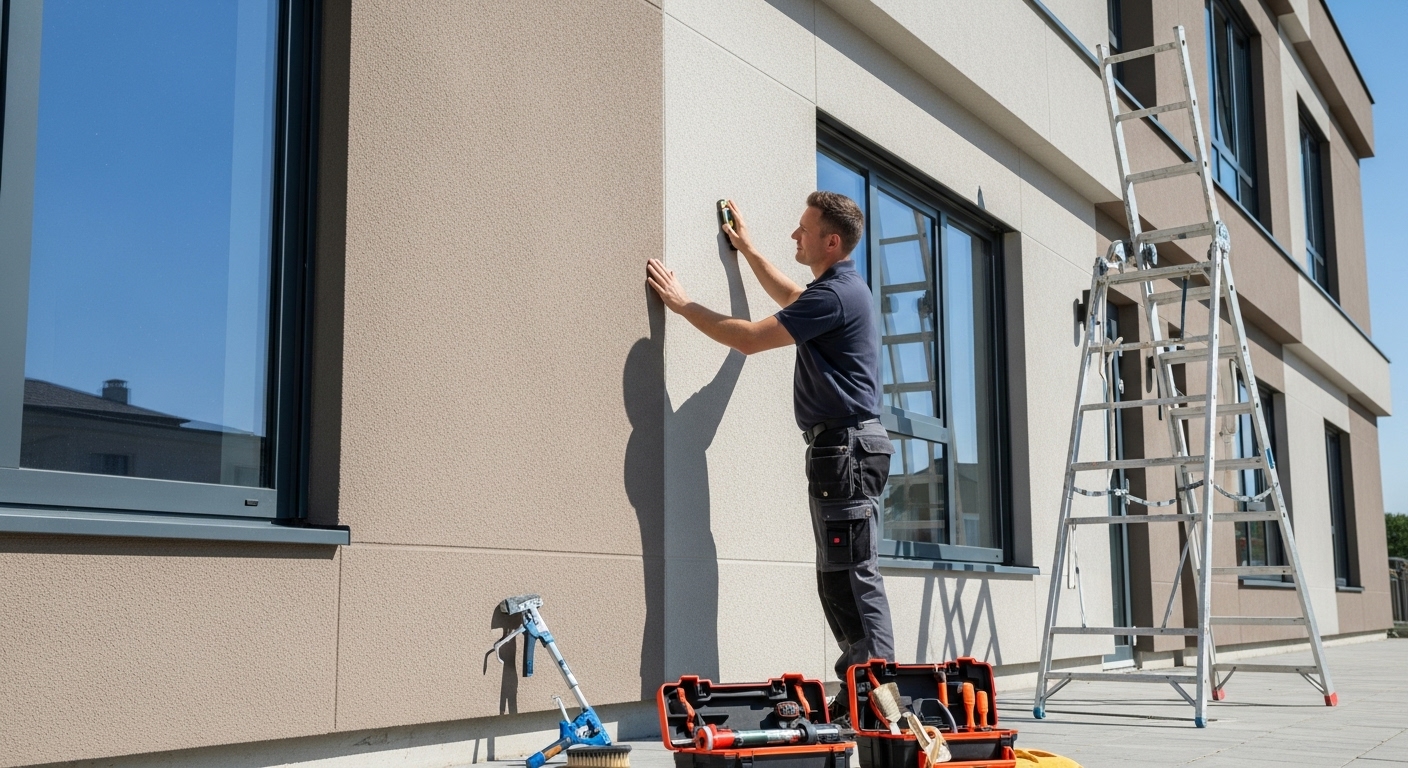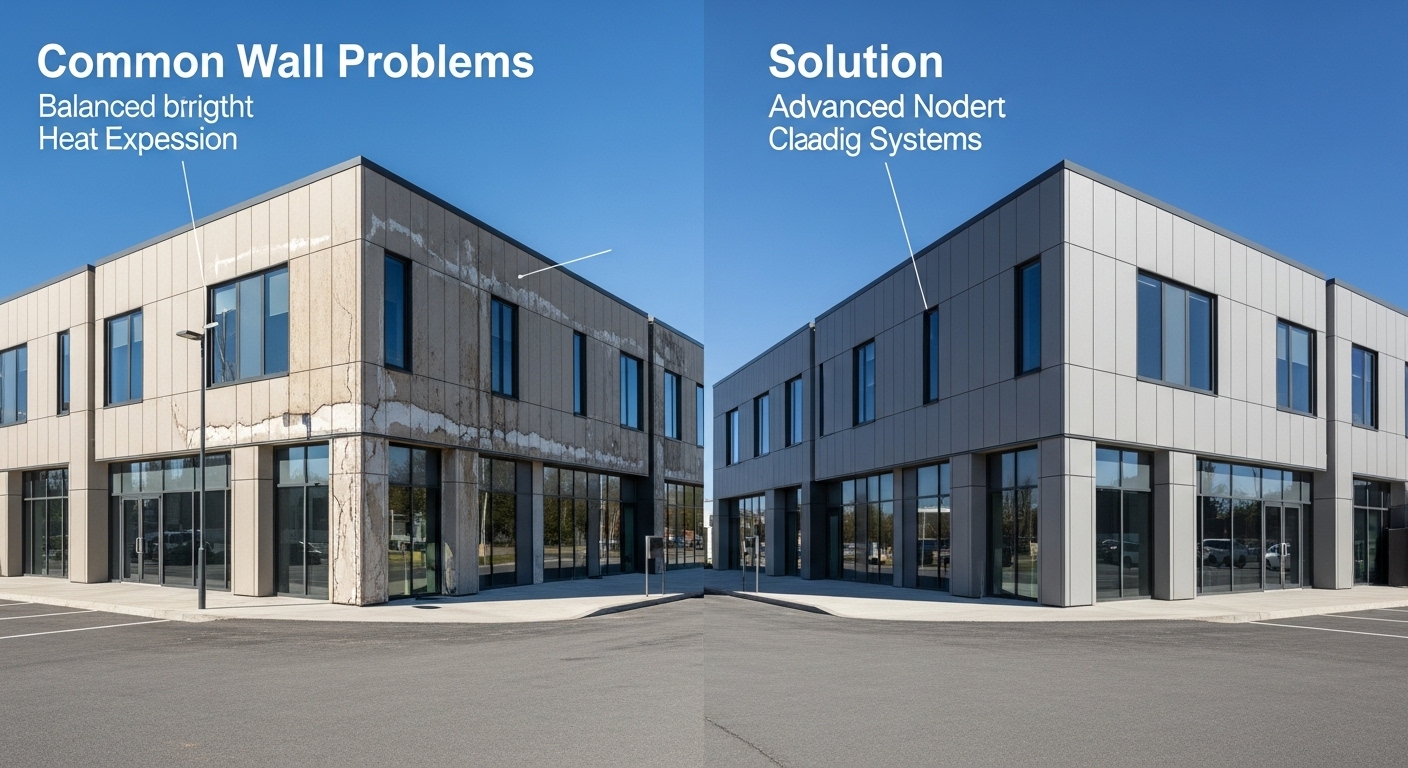
Exterior walls do far more than define how a building looks. They protect everything inside from heat, moisture, wind, and time itself. Yet for many property owners, contractors, and developers, exterior wall issues often appear quietly and escalate quickly.
A faint stain becomes a moisture problem. A hairline crack turns into structural anxiety. And before you know it, what seemed minor begins to impact comfort, safety, and long-term value.
Here’s the thing. Most exterior wall failures are not sudden surprises. They are the result of outdated materials, design shortcuts, or systems that simply were not built to handle today’s climate demands. In places like Arizona, where temperature swings and intense sun exposure are constant, exterior walls take a beating every single day.
In the second paragraph, it is important to address why understanding exterior wall problems solutions matters now more than ever. Modern cladding systems are no longer just about aesthetics.
They are engineered systems designed to solve real-world performance issues while extending the life of a building. When chosen wisely, they change how walls perform, age, and protect what matters most.
Understanding Why Exterior Walls Fail Over Time in Commercial Building Envelope Issues
Exterior wall systems are complex assemblies. When even one component underperforms, the entire system can suffer. Many failures stem from older construction methods that did not account for modern performance standards or regional environmental stressors.
Over time, buildings experience movement from temperature shifts, structural settling, and material fatigue. Without proper detailing, this movement leads to cracking, allowing moisture and air to penetrate areas they should never reach. Once that happens, walls no longer act as a protective barrier but as a pathway for damage.
Another overlooked factor is how poorly insulated wall assemblies allow thermal bridging, where heat transfers through structural components. This not only affects indoor comfort but also accelerates material breakdown. Add aging sealants, improper flashing, or incompatible materials, and the wall system becomes vulnerable.
Exterior wall failure is rarely caused by a single flaw. It is usually the accumulation of small oversights that compound over years. Understanding these root causes is the first step toward choosing systems that actually prevent them.
How Moisture and Air Create Long-Term Damage in Commercial Building Envelope Issues
Moisture is the most persistent enemy of exterior walls. It does not need much access to begin causing damage. Once water infiltration occurs, it can compromise insulation, corrode fasteners, and weaken structural components long before any visible sign appears.
Air movement is equally problematic. Even minimal air leakage can carry moisture vapor into wall assemblies, where it condenses and remains trapped. This hidden moisture creates conditions that degrade finishes and reduce insulation effectiveness.
Traditional wall systems often relied on surface-level protection, assuming walls were airtight and watertight by default. Modern building science has proven otherwise. Without integrated moisture and air management strategies, exterior walls are vulnerable regardless of how well they look on day one.
This is why advanced cladding systems are designed as complete assemblies. They manage air, water, and vapor together rather than treating them as separate concerns. That integration is what transforms performance over time.
Structural Stress and Material Breakdown That Slowly Undermine Exterior Walls
Buildings move. It is unavoidable. What matters is whether the exterior wall system is designed to accommodate that movement. Rigid assemblies that resist flexibility often fail prematurely, leading to issues like delamination, where layers of the wall separate and lose their structural bond.
When materials expand and contract at different rates, stress concentrates at joints and edges. Over time, this stress weakens adhesion and creates entry points for moisture. Once separation begins, the wall system loses its integrity rapidly.
Modern cladding systems are engineered with movement in mind. They incorporate flexible components and compatible materials that respond predictably to environmental changes. This ability to absorb stress without failing is what extends the lifespan of the entire building envelope.
Choosing systems that respect how buildings behave in the real world is not optional anymore. It is essential for durability.
How Modern Cladding Systems Address Performance Gaps in Today’s Exterior Wall Systems
Modern cladding systems are not just updated versions of older materials. They represent a shift in how exterior walls are designed and evaluated. Performance now matters as much as appearance.
One of the biggest advantages is integrated insulation. These systems reduce heat transfer and eliminate many of the weak points found in traditional assemblies.
As a result, buildings maintain consistent interior temperatures and reduce energy demand, aligning naturally with energy efficient solutions without requiring additional layers or retrofits.
Moisture control is another major improvement. Drainage planes, vapor permeability, and air barriers work together to manage water effectively. Instead of trapping moisture, modern systems guide it safely out of the assembly.
Equally important is longevity. These systems are designed to last decades with minimal intervention, especially when paired with thoughtful planning and preventive maintenance strategies that address minor issues before they escalate.
Choosing The Right System for Long-Term Protection in Commercial Building Envelope Issues
Not all cladding systems are created equal. Selecting the right one depends on climate, building type, and performance expectations. Residential projects may prioritize flexibility and aesthetics, while commercial buildings often demand durability and compliance with strict performance standards.
Modern systems offer customization without sacrificing performance. Designers and contractors can select finishes, textures, and colors while still benefiting from engineered protection beneath the surface.
The key is understanding how the system functions as a whole. When insulation, moisture control, and finish layers work together, exterior walls become resilient rather than reactive. That resilience translates into lower operating costs, fewer repairs, and greater peace of mind over the building’s life.
Building Stronger, Smarter Exterior Walls That Stand the Test of Time
Exterior wall failures are rarely the result of neglect. More often, they stem from systems that were never designed to meet today’s demands. Understanding how modern cladding systems solve long-standing issues gives property owners and builders a clear path forward.
By addressing insulation gaps, moisture control, and structural movement, these systems offer reliable exterior wall problems solutions that protect both the building and the people inside it. They reduce long-term risk, enhance comfort, and preserve value in ways older methods simply cannot.
For nearly four decades, Seneca Architectural Products has helped Arizona builders navigate these challenges with confidence. Their expertise, product knowledge, and commitment to doing things right make them a trusted partner for projects of every size.
If you are evaluating exterior wall upgrades or planning new construction, their consultation services provide the guidance needed to choose solutions that perform today and endure tomorrow.