Walk through any neighborhood in Arizona and you will see stucco everywhere. Homes, office buildings, retail centers, even schools rely on it for both protection and style. But here is what most property owners and even some contractors do not realize. Not all stucco is the same.
Choosing between traditional and synthetic stucco can shape how a building performs, how it looks over time, and how much maintenance it needs years down the road. We have spent nearly four decades helping builders make smart exterior decisions.
Since 1987, we have seen materials evolve, building codes tighten, and expectations rise. We have also seen what works and what does not in Arizona’s demanding climate. This guide breaks down the real differences between traditional stucco and modern synthetic systems so you can choose confidently.
No confusion. No sales talk. Just honest insight from people who live and breathe exterior systems every day.
Traditional Stucco Vs Synthetic Stucco Explained in Plain Language for Real World Projects
When people talk about traditional stucco vs synthetic stucco, they are really comparing two very different wall systems that happen to look similar once installed. Understanding what sits beneath the surface is what matters most.
Traditional stucco is a cement-based stucco system that has been used for generations. It is made from Portland cement, sand, lime, and water. The material is applied in multiple coats over a metal lath and cures into a hard, rigid shell. This method has stood the test of time, especially in dry climates like Arizona.
Synthetic stucco, also known as EIFS, is a layered wall system designed for performance. It includes insulation board, a base coat reinforced with mesh, and an acrylic finish. Unlike traditional stucco, synthetic systems are flexible, lighter, and engineered to improve thermal efficiency.
Both systems have their place. The right choice depends on building type, budget, performance expectations, and long term goals.
How Cement Based Stucco Is Installed and Why Traditional Stucco Vs Synthetic Stucco Still Matters to Builders Today
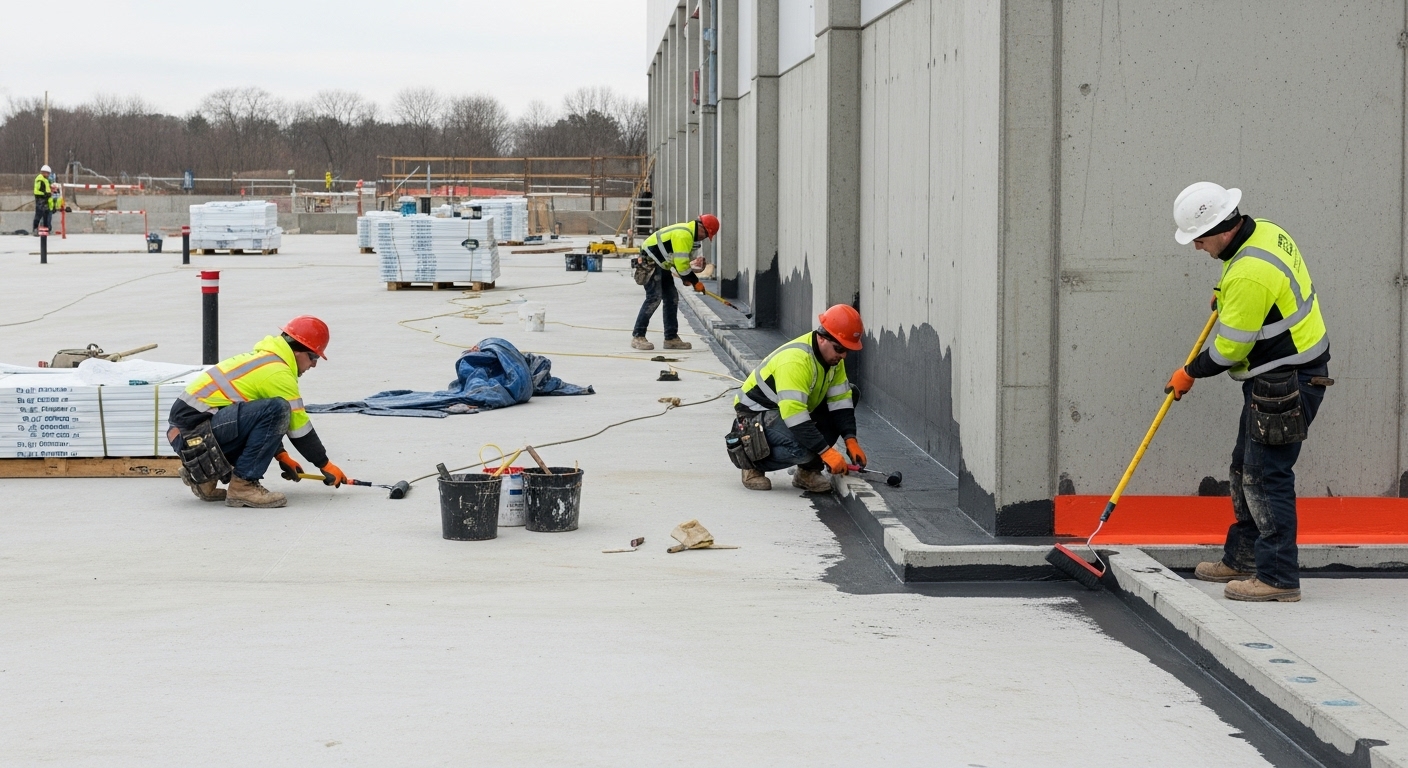
Traditional stucco has earned its reputation through decades of reliable use. The installation process involves attaching metal lath to the structure, followed by a scratch coat, brown coat, and finish coat. Each layer must cure properly before the next is applied, which requires skill, timing, and experience.
One of the biggest advantages of cement based systems is their toughness. Once cured, they resist impact and hold up well in harsh sun exposure. For homeowners who value a classic Southwestern look, traditional stucco delivers authenticity that never goes out of style.
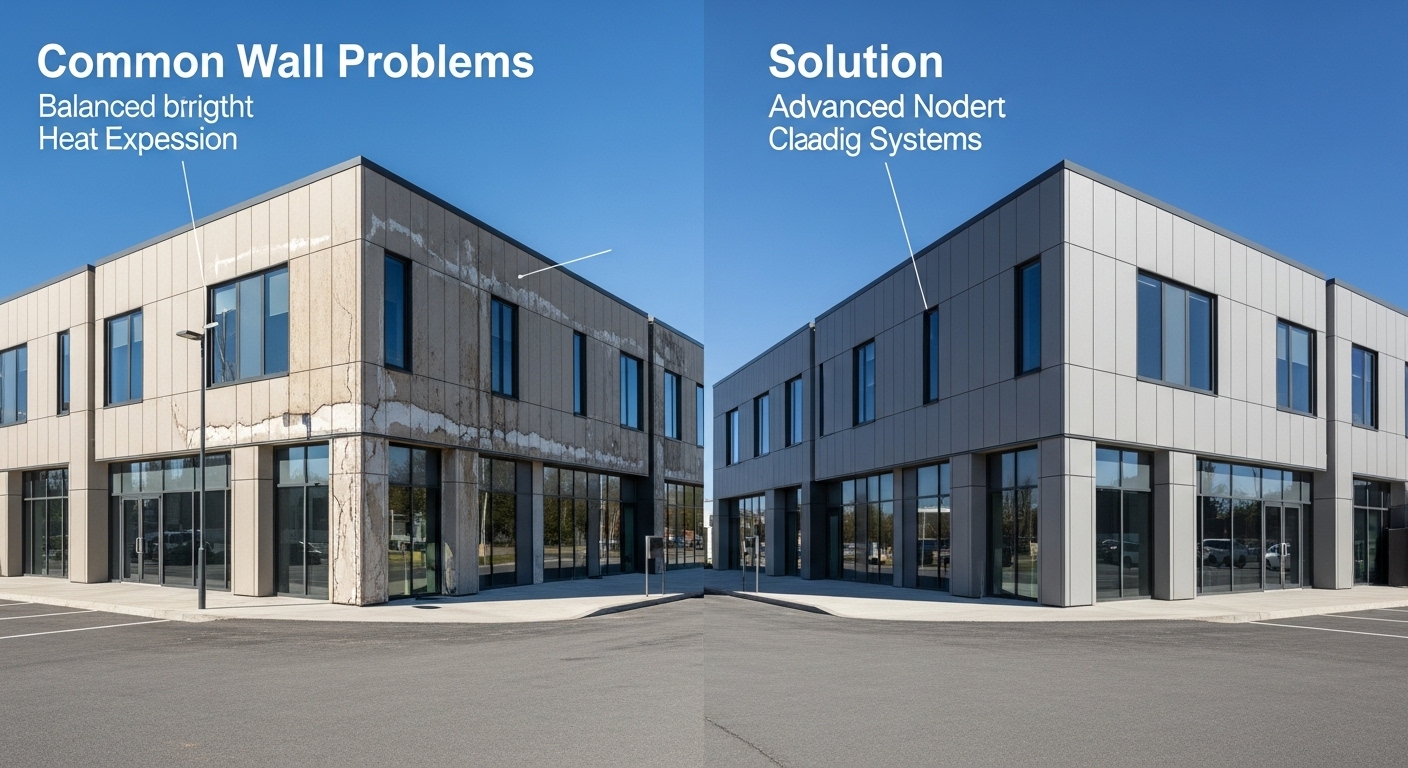
That said, traditional stucco is rigid. Over time, buildings shift. When movement occurs, cracking can happen. Repairs are possible, but matching texture and color may be challenging. Maintenance expectations should be understood upfront to avoid surprises later.
Why Synthetic Stucco Systems Are Gaining Ground in Commercial Construction
Synthetic stucco systems are designed with modern performance in mind. Instead of relying on mass for protection, they rely on smart layering and flexibility. The insulation board creates a continuous thermal barrier, making these systems popular as energy efficient wall systems for commercial buildings.
The acrylic finish used in EIFS is breathable and flexible. It moves with the building instead of cracking under pressure. This flexibility helps reduce visible damage and water intrusion when installed correctly.
For developers and architects working on offices, retail spaces, or multifamily projects, synthetic stucco often checks more boxes. Better energy performance. Faster installation timelines. Design flexibility with consistent finishes.
This is why stucco comparison commercial buildings conversations increasingly lean toward synthetic systems, especially when energy codes and sustainability goals are part of the equation.
Durability And Maintenance Requirements That Matter Years After Installation
Durability is not just about how a wall looks on day one. It is about how it performs ten or twenty years later. Traditional stucco is extremely hard once cured, which makes it resistant to dents and surface damage. However, that hardness also makes it vulnerable to cracking if the structure moves.
Synthetic systems excel in flexibility. The reinforced base coat and mesh help absorb minor movement without visible cracking. When it comes to maintenance requirements, synthetic stucco often requires less patching and cosmetic repair over time.
That said, maintenance is not optional for either system. Knowing how to care for your exterior is key. Regular inspections, prompt repairs, and proper drainage details make all the difference. For building owners, understanding the basics of maintaining synthetic stucco helps extend the life of the system and protect the investment.
Installation Process Differences That Impact Timeline and Budget Decisions
The installation process is one of the biggest practical differences between these two systems. Traditional stucco takes time. Multiple coats. Multiple curing periods. Weather conditions can slow things down significantly.
Synthetic stucco systems are more streamlined. Insulation boards are mechanically attached or adhered, followed by base coat, mesh, and finish. Fewer curing delays mean projects can move faster, which often translates into labor savings.
Budget decisions should factor in more than just upfront material costs. Labor time, future maintenance, and energy savings all play a role. When comparing traditional stucco vs synthetic stucco, the smartest choice often depends on total lifecycle cost rather than the initial price tag.
Visual Appeal and Finish Options That Influence Design Choices
A common myth is that synthetic stucco looks fake. That might have been true decades ago, but today’s finishes are remarkably sophisticated. Modern acrylic finishes can mimic traditional textures while offering improved color consistency and fade resistance.
Traditional stucco delivers a time honored aesthetic that many homeowners love. Hand troweled textures create subtle variations that feel organic and authentic. For custom homes and restoration projects, this visual character is often worth the extra effort.
Synthetic systems shine in consistency. Large commercial buildings benefit from uniform finishes that look clean and professional across expansive surfaces. Designers appreciate the ability to control texture and color with precision.
Making The Right Choice Based on Climate Performance and Building Use
Arizona’s climate demands materials that can handle intense sun, heat, and occasional monsoon moisture. Both systems can perform well when designed and installed correctly. The key is choosing the right system for the right application.
Residential projects often lean toward traditional stucco for its appearance and familiarity. Commercial developments often prioritize performance, efficiency, and scalability, which makes synthetic systems attractive.
Our role is not to push one solution over another. It is to help clients understand how each system behaves in real conditions so they can make confident decisions.
Making The Right Call Between Traditional Stucco Vs Synthetic Stucco for Your Building
Choosing between traditional and synthetic stucco is not about trends. It is about understanding how materials perform over time, how they fit your project goals, and how they respond to Arizona’s unique climate. When builders and property owners take the time to compare options honestly, the results speak for themselves.
With decades of experience, Architectural Products continues to support contractors, architects, and building owners with knowledge that goes beyond product specs. Whether you are planning a custom home or a large scale commercial project, the right exterior system makes all the difference.
If you are exploring finishes, textures, or system options, we invite you to visit our Phoenix Design Center or reach out to our team. You can even request texture samples to see and feel the difference before making a decision. We are here to help you build with confidence, clarity, and craftsmanship that lasts.